Walk through a modern warehouse or manufacturing plant and most of the attention naturally goes to the visible technology. Conveyor systems move products across the building, robots transport inventory, and automated machinery performs tasks that once required dozens of workers.
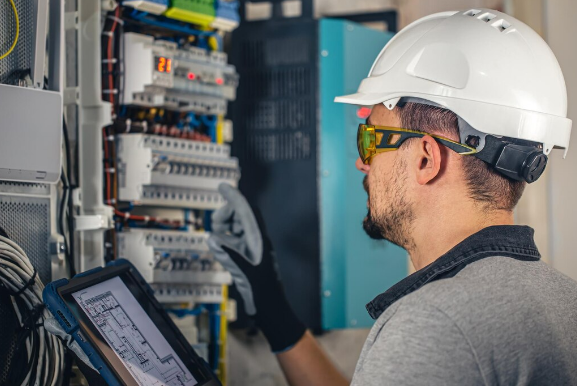
What many people don’t see is the electrical infrastructure making all of this possible. Behind every automated operation is an experienced industrial electrical contractor responsible for powering equipment, connecting systems, and ensuring everything operates safely and efficiently.
Automation may grab the headlines, but electrical systems determine whether those technologies perform reliably day after day. As facilities become more advanced, the role of industrial electrical specialists has become far more important than simply running wires or installing panels.
Automation Depends on Reliable Electrical Infrastructure
Automated facilities operate differently than traditional industrial buildings.
Instead of powering a few machines or lighting systems, modern warehouses and manufacturing plants rely on interconnected technologies that communicate constantly. Conveyor systems, robotics, PLCs, sensors, and software platforms all depend on stable electrical networks.
A power disruption lasting only a few minutes can affect productivity across the entire facility.
This is why integrated electrical services have become an essential part of automation projects. Electrical contractors are involved long before equipment arrives on-site. They help determine power requirements, design distribution systems, and plan infrastructure that supports both current operations and future expansion.
Without proper planning, facilities can quickly outgrow their electrical systems.
Adding automation later becomes far more difficult if the original infrastructure wasn’t designed with scalability in mind.
The Job Extends Far Beyond Electrical Installation
Many people still picture electricians pulling cables and installing outlets.
Industrial electrical work is far more involved.
An industrial electrical contractor coordinates power distribution, control systems, automation equipment, switchgear, motor controls, and communication networks. They work closely with engineers, automation specialists, and facility managers to ensure all systems operate together.
In automated environments, electrical contractors often oversee panel fabrication, PLC wiring, equipment commissioning, and troubleshooting.
They also need to understand how industrial operations function.
A warehouse moving thousands of packages per hour has different priorities than a manufacturing plant producing automotive components. The electrical design needs to support the workflow, equipment layout, and operational goals of the facility.
Technical knowledge is important, but understanding how the business operates is equally valuable.
Electrical Systems Integration Has Become a Core Requirement
Modern facilities rely on connected technologies.
Conveyors communicate with warehouse management systems. Robotics exchange information with sensors. Production equipment responds to real-time data from multiple sources.
Making these technologies work together requires thoughtful electrical systems integration.
This process involves much more than connecting equipment to power. Contractors ensure devices communicate properly, control systems coordinate efficiently, and software platforms exchange data without interruption.
Poor integration can create frustrating problems.
Equipment may operate independently but fail to work together effectively. Communication delays can reduce productivity. Troubleshooting becomes more complicated when systems lack proper coordination.
Facilities investing heavily in automation increasingly recognize that integration deserves as much attention as the equipment itself.
The goal is not simply powering machines.
The goal is creating an environment where technology functions as a connected ecosystem.
Planning Early Prevents Expensive Changes Later
Electrical infrastructure is easiest to design before construction is complete.
Unfortunately, some businesses treat electrical planning as a later-stage activity.
That approach can create challenges.
Equipment may require more power than originally expected. Additional panels may need to be installed. Cable pathways can become complicated if the building wasn’t designed around automation requirements.
This is why many businesses involve both automation specialists and a commercial construction company early in the planning process.
Construction teams, electrical contractors, and automation experts can coordinate infrastructure decisions before walls are closed and equipment arrives.
Planning ahead creates flexibility.
Facilities can reserve capacity for future expansion, accommodate new technologies, and avoid major retrofits later.
The cost of preparing for growth during construction is often much lower than modifying completed infrastructure several years down the road.
Safety Standards Are More Demanding in Automated Facilities
As automation increases, safety requirements become more complex.
Electrical systems support equipment that moves continuously, operates at high speeds, and interacts closely with employees.
Designing these systems requires careful attention to safety protocols.
Emergency stops, lockout procedures, fault detection systems, and protective devices all play important roles in automated facilities. Electrical contractors must ensure these features function correctly while meeting regulatory requirements.
The stakes are high.
An electrical fault doesn’t simply stop a machine. It can disrupt entire production lines or create hazards for employees.
Experienced providers of integrated electrical services understand these risks and design systems that prioritize both operational efficiency and workplace safety.
This responsibility continues after installation as well.
Routine inspections, preventive maintenance, and system testing help facilities maintain reliable performance as operations evolve.
See also: How Technology Shapes Consumer Behavior
Automation Is Increasing Electrical Complexity
Warehouses and manufacturing facilities are becoming smarter every year.
Robotics are more common. Sensors generate increasing amounts of data. Energy management systems monitor consumption in real time. Artificial intelligence is beginning to influence production and logistics processes.
All of these developments place greater demands on electrical infrastructure.
An industrial electrical contractor today needs skills that extend beyond traditional electrical work. Understanding controls, communication networks, software integration, and automation platforms has become part of the job.
This shift is changing the industry.
Businesses increasingly look for contractors who can support automation strategies rather than simply install electrical components.
The distinction matters because automated facilities require long-term thinking.
Infrastructure decisions made today should support technologies that may not even be installed for several years.
Ongoing Support Matters as Much as Installation
Even well-designed electrical systems require ongoing attention.
Equipment ages. Production demands change. Facilities expand and introduce new technologies.
Electrical infrastructure must adapt accordingly.
This is one reason many businesses maintain long-term relationships with electrical specialists rather than viewing projects as one-time installations.
Regular inspections help identify potential issues before they cause downtime. Preventive maintenance improves reliability and extends equipment life. Upgrades can be planned strategically rather than performed reactively after failures occur.
The cost of unexpected downtime in automated environments can be significant.
A conveyor outage or control system failure may affect multiple departments simultaneously.
Ongoing support reduces these risks and helps facilities maintain consistent performance.
Choosing the Right Electrical Partner
Technology investments often receive the most attention during automation projects.
The people designing and supporting the electrical infrastructure deserve equal consideration.
An experienced industrial electrical contractor brings more than technical expertise. They understand how facilities operate, anticipate future requirements, and coordinate effectively with construction teams, automation specialists, and operations managers.
Strong electrical systems integration creates environments where equipment communicates effectively, adapts to changing demands, and supports long-term growth.
Businesses that invest in thoughtful planning usually experience fewer disruptions and greater flexibility as operations evolve.
If you’re planning automation upgrades, expanding your facility, or evaluating electrical infrastructure for future growth, Let’s Connect to discuss solutions tailored to your operational needs. Reliable electrical systems often operate quietly in the background, but their impact can be seen everywhere productivity, safety, and automation come together inside a modern industrial facility.