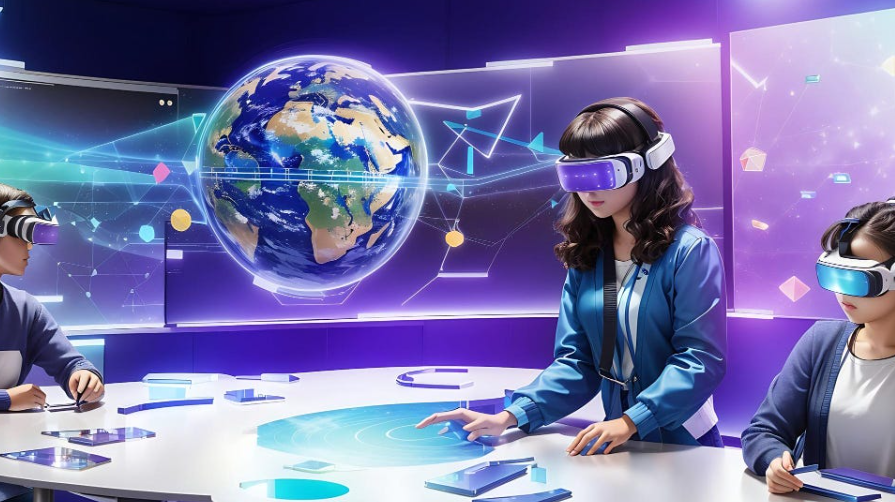
Technology has fundamentally altered consumer behavior in significant ways. The availability of information has empowered consumers to make more informed purchasing decisions. Online reviews and comparison tools play a critical role in this transformation. Furthermore, the rise of mobile shopping and personalized advertising suggests a shift toward convenience and tailored experiences. As consumers navigate this landscape, one must consider the deeper implications of these changes on brand perception and loyalty.
How Technology Changed the Way We Research Products
How has the advent of technology transformed the way consumers research products?
The proliferation of online reviews and product comparison tools has empowered consumers with unprecedented access to information. This shift enables informed decision-making, allowing individuals to evaluate options comprehensively.
The ease of digital research fosters a sense of autonomy, as consumers can navigate choices freely, unencumbered by traditional marketing limitations.
See also: asylmendibaeva
The Impact of Technology on Consumer Behavior
The shift towards digital research has laid the groundwork for a broader transformation in consumer behavior.
Mobile shopping has empowered consumers to make purchases anytime, anywhere, while digital advertising personalizes marketing efforts, enhancing engagement.
This convergence of technology fosters a new level of consumer autonomy, allowing individuals to navigate their purchasing decisions with unprecedented freedom and confidence in today’s marketplace.
How Social Media Influences Brand Loyalty?
While social media platforms have revolutionized communication, they also play a pivotal role in shaping brand loyalty among consumers.
By leveraging social proof through user-generated content and testimonials, brands can foster trust and connection.
Additionally, influencer marketing strategically aligns brands with trusted voices, enhancing credibility and engagement.
This dynamic interplay encourages consumers to remain loyal, driven by a sense of community and authenticity.
E-Commerce Innovations for Convenience and Personalization
As consumers increasingly prioritize convenience and personalization in their shopping experiences, e-commerce innovations have emerged as essential drivers in meeting these demands.
Mobile shopping platforms now leverage AI recommendations to tailor product offerings, enhancing user engagement and satisfaction.
These advancements not only streamline the purchasing process but also foster a sense of individuality, allowing consumers to enjoy a uniquely customized shopping journey.
Conclusion
In the digital age, technology serves as both a compass and a catalyst for consumer behavior, guiding individuals through a labyrinth of choices and fostering informed decision-making. As e-commerce continues to evolve, the interplay between social media and personalized experiences cultivates brand loyalty akin to a delicate dance, where trust and engagement harmonize. Ultimately, technology not only empowers consumers but also reshapes the landscape of commerce, cr