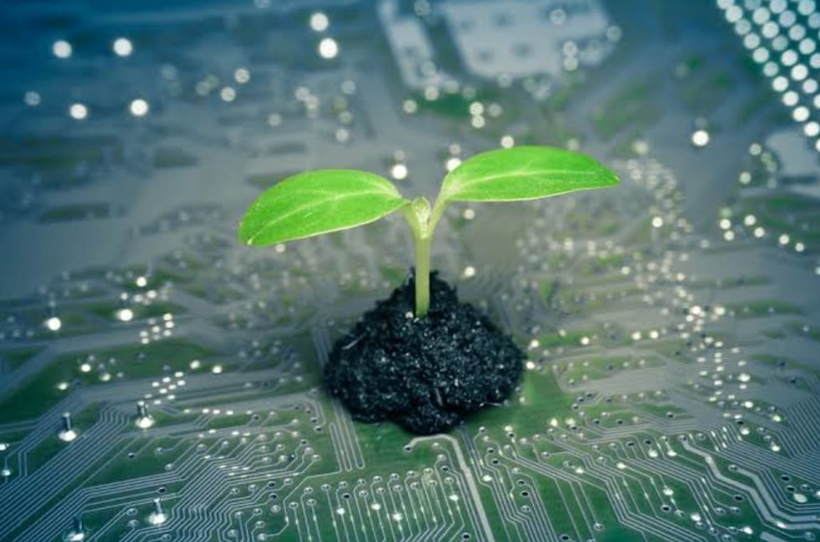
Technology is increasingly recognized as a critical factor in achieving sustainable growth. Innovations in renewable energy, smart agriculture, and circular economy practices are reshaping industries. These advancements not only enhance efficiency but also encourage responsible resource management. As organizations embrace data analytics for informed decision-making, the potential for reduced environmental impact becomes evident. However, the implications of these technologies extend beyond mere efficiency. What are the broader consequences for society and the environment?
How Renewable Energy Innovations Are Reducing Carbon Footprint
As the world grapples with the urgent need to combat climate change, renewable energy innovations have emerged as pivotal solutions for significantly reducing carbon footprints.
Solar advancements, characterized by improved efficiency and affordability, harness the sun’s power more effectively.
Additionally, carbon capture technologies are essential in sequestering emissions, enabling industries to transition toward a sustainable future, thereby fostering a sense of freedom from fossil fuel dependency.
See also: How Technology Shapes Consumer Behavior
How Smart Agriculture Practices Support Circular Economy
While traditional agricultural practices often contribute to environmental degradation, smart agriculture offers a transformative approach that aligns with the principles of a circular economy.
Techniques such as precision farming, vertical farming, and sustainable irrigation enhance soil health and promote crop rotation.
These methods significantly reduce waste, fostering an ecosystem where resources are reused efficiently, ultimately supporting sustainable growth and ensuring food security for future generations.
Tech Innovations in the Circular Economy
Although the concept of a circular economy is not new, recent tech innovations have significantly advanced its implementation across various industries.
Breakthroughs in circular design facilitate the creation of products that minimize waste and promote sustainability. Technologies such as 3D printing and material recovery systems enhance waste reduction efforts, allowing businesses to reclaim resources and reduce their environmental impact, ultimately fostering a more sustainable future.
Why Data Analytics Is Key to Using Resources Wisely
The advancements in tech innovations for a circular economy pave the way for more effective resource management, where data analytics plays a pivotal role.
By utilizing predictive analytics, organizations can achieve resource optimization, enabling them to anticipate needs and minimize waste.
This strategic approach empowers businesses to utilize resources wisely, fostering sustainability and promoting a more responsible, freedom-driven economic landscape that benefits all stakeholders.
Conclusion
In the pursuit of sustainable growth, technology serves as a critical catalyst, demonstrating the adage that “necessity is the mother of invention.” By advancing renewable energy, optimizing agricultural practices, and embracing circular economy principles, society can significantly mitigate environmental impacts and promote resource efficiency. Furthermore, the integration of data analytics empowers informed decision-making, fostering collaboration among sectors. Ultimately, the harmonious interplay of these technological innovations paves the way for a resilient future, ensuring a sustainable legacy for generations to come.