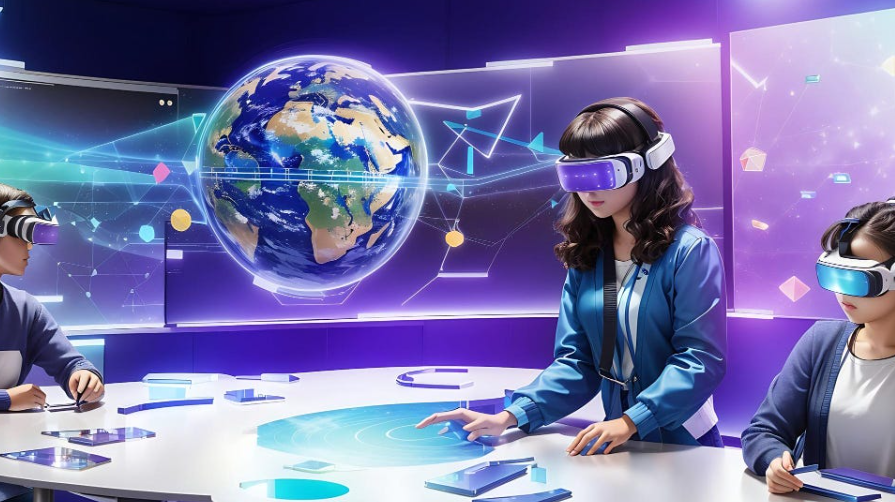
Virtual worlds are the culmination of precise design principles and advanced technology. Engineers focus on crafting immersive environments that engage users through interactive narratives and dynamic settings. By incorporating elements such as spatial audio and haptic feedback, these virtual realms enhance user presence. The integration of community feedback shapes the evolution of these spaces. As the landscape of virtual worlds shifts, new challenges and opportunities emerge, prompting further exploration of their engineering.
Key Components of Virtual World Design
The architecture of virtual worlds hinges on several key components that collectively shape user experience and interaction.
Environmental design establishes immersive settings, while narrative structure weaves compelling stories that guide exploration.
These elements work in tandem, allowing users the freedom to navigate and engage meaningfully.
Together, they create a rich tapestry that enhances the sense of presence and agency within the virtual landscape.
See also: How Technology Supports Sustainable Growth
Creating Engaging, User-Centric Virtual Experiences
While designing virtual experiences, it is essential to prioritize user engagement by understanding the diverse needs and preferences of the target audience.
Integrating user feedback and insights from user psychology enhances narrative design and interactive elements.
Moreover, fostering social dynamics cultivates a vibrant community.
Effective user onboarding ensures seamless navigation, empowering users to explore and connect, ultimately leading to a more fulfilling virtual experience.
The Role of Technology in Enhancing Immersive Experiences
Immersion in virtual environments is fundamentally enhanced by the sophisticated application of technology, which serves as the backbone of interactive experiences.
Virtual reality and augmented reality technologies create rich, engaging landscapes that captivate users. Through advanced graphics, spatial audio, and haptic feedback, these technologies transform user interaction, enabling unprecedented freedom of exploration and expression within meticulously engineered digital realms.
Emerging Trends in Virtual World Engineering
How can the latest advancements reshape the landscape of virtual world engineering?
Emerging trends emphasize enhanced social interaction through AI-driven avatars and immersive environments, fostering deeper connections among users.
Innovations in environmental design utilize dynamic ecosystems, adapting to user behaviors, and enriching experiences.
These developments not only redefine engagement but also promote self-expression, allowing individuals to explore and create within boundless, interactive realms.
Conclusion
In conclusion, the engineering of virtual worlds weaves together design, technology, and user engagement into a tapestry of immersive experiences. As architects of these digital realms continue to innovate, they not only craft environments that captivate but also foster communities that thrive on interaction and expression. Like a symphony, the harmonious integration of advanced graphics, spatial audio, and user feedback creates a resonant experience that echoes in the hearts and minds of its inhabitants, reshaping the future of virtual engagement.