Every commercial property relies on a strong and dependable structure to support daily operations. While many businesses focus on interior maintenance, one of the most critical components of any building is often overlooked until a problem appears. A proactive approach to building care helps organizations maintain safety, efficiency, and long-term property performance.
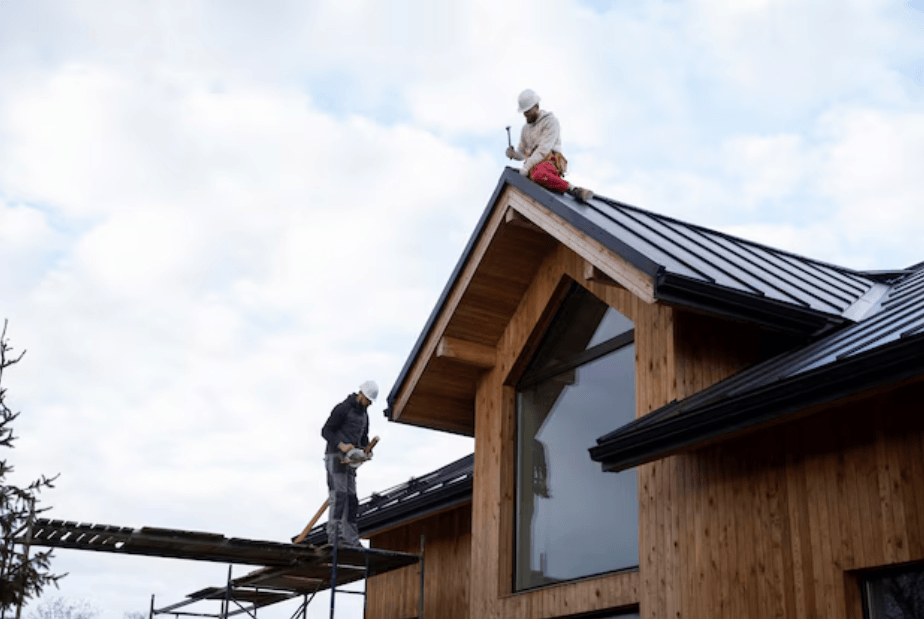
One important aspect of facility management is investing in roof maintenance services as part of a broader property protection strategy. Building owners and facility managers increasingly recognize that preventive care helps support operational continuity while protecting important assets. Rather than waiting for visible signs of wear, organizations are focusing on ongoing upkeep to help maintain the overall condition of their properties.
As facility management trends continue to evolve, preventive maintenance has become a top priority for businesses seeking reliable and sustainable building performance. Understanding the value of regular inspections, planning, and upkeep can help organizations make informed decisions that support long-term success.
Why Building Maintenance Matters More Than Ever
Commercial properties face constant exposure to environmental conditions, daily operational demands, and natural aging. Without proper attention, even well-constructed buildings can experience gradual deterioration that affects functionality and appearance.
Maintenance is not simply about addressing issues when they occur. It is about creating a strategy that supports the long-term health of a property while helping prevent avoidable disruptions.
Organizations that prioritize maintenance often benefit from improved operational efficiency, enhanced workplace conditions, and stronger property performance over time.
Benefits of Preventive Property Care
- Supports long-term structural integrity.
- Helps maintain professional property appearance.
- Encourages safer environments for occupants.
- Contributes to operational efficiency.
- Promotes better facility planning.
- Enhances overall building reliability.
These advantages make preventive maintenance an important investment in the future of any commercial property.
Understanding the Role of a Building’s Exterior
The exterior of a building serves as the first line of defense against environmental exposure. It protects occupants, equipment, and daily operations from weather-related challenges while helping maintain comfortable indoor conditions.
When exterior systems are properly maintained, they contribute to overall building performance and support operational continuity. Regular evaluations help identify potential concerns before they develop into larger issues.
A proactive approach allows organizations to remain prepared while reducing the likelihood of unexpected facility disruptions.
The goal is to create a dependable and resilient property that can effectively support business activities throughout the year.
Modern Facility Management Trends
Today’s facility management professionals are embracing more strategic approaches to property care. Rather than relying solely on reactive maintenance, organizations are implementing proactive programs that focus on monitoring, planning, and prevention.
Technology, data collection, and routine assessments are becoming valuable tools for identifying opportunities to improve building performance. These trends help organizations manage resources more effectively while maintaining higher operational standards.
Businesses increasingly recognize that preventive strategies contribute to stronger facility outcomes and improved workplace experiences.
Popular Facility Management Priorities
- Proactive maintenance planning.
- Regular building assessments.
- Improved operational efficiency.
- Enhanced workplace safety initiatives.
- Long-term asset preservation.
- Sustainable facility management practices.
These priorities continue shaping the future of commercial property management.
The Connection Between Maintenance and Business Continuity
A well-maintained facility helps organizations operate with confidence. When buildings function properly, employees can focus on their responsibilities without unnecessary distractions caused by facility-related concerns.
Unexpected maintenance challenges can affect productivity, workplace comfort, and operational efficiency. By addressing potential issues early, businesses can better support continuity and maintain a positive environment for employees and visitors.
Preventive maintenance plays a key role in reducing uncertainty while helping organizations remain focused on their primary objectives.
Building reliability often begins with consistent attention to facility upkeep.
Creating Safer Environments Through Regular Care
Safety remains one of the most important priorities for any organization. Clean, secure, and properly maintained facilities contribute to positive experiences for employees, customers, and guests.
Routine evaluations help identify areas that may require attention while supporting compliance with organizational standards and expectations. Addressing maintenance needs proactively helps create a safer and more comfortable environment.
Organizations that emphasize safety often build stronger trust among employees and visitors alike.
Ways Maintenance Supports Safety
- Encourages routine property inspections.
- Helps identify potential concerns early.
- Supports safer working environments.
- Promotes organized facility operations.
- Reduces avoidable disruptions.
- Contributes to occupant confidence.
These benefits demonstrate why maintenance remains a key component of effective facility management.
Long-Term Planning Leads to Better Results
Successful facility management requires a long-term perspective. Buildings represent valuable assets that benefit from consistent attention and strategic planning.
Organizations that establish maintenance schedules and regular assessment programs often experience better outcomes over time. Planning helps facility managers prioritize needs, allocate resources effectively, and maintain property performance.
Long-term thinking allows businesses to address challenges before they become larger concerns while supporting operational goals.
A structured approach helps organizations maintain confidence in the condition of their facilities.
Supporting Sustainability Through Preventive Care
Sustainability has become a major focus across industries. Many organizations are seeking ways to improve efficiency while reducing environmental impact.
Preventive maintenance contributes to these efforts by supporting the longevity of building systems and encouraging responsible property management practices. Maintaining facility components in good condition often helps optimize overall building performance.
Sustainability initiatives are increasingly connected to proactive maintenance strategies that support both operational and environmental goals.
Businesses that prioritize responsible facility management often position themselves for long-term success.
See also: Everything to Know About Our New F1B Mini Goldendoodle Puppies
The Importance of Professional Expertise
Facility maintenance involves a wide range of responsibilities that require experience, planning, and attention to detail. Professional service providers help organizations navigate these challenges while maintaining high standards of property care.
Experienced teams understand how to assess conditions, identify opportunities for improvement, and implement solutions that support facility goals.
At Facility Network, we recognize the value of proactive maintenance and strategic planning in helping organizations maintain safe, reliable, and efficient properties. Our focus is on supporting facilities through professional expertise and dependable service solutions.
Working with knowledgeable professionals helps organizations make informed decisions that benefit both current operations and future planning efforts.
Advantages of Professional Support
- Access to industry knowledge and experience.
- Consistent attention to property conditions.
- Improved maintenance planning strategies.
- Enhanced operational confidence.
- Support for long-term facility goals.
- Reliable guidance for property management.
These advantages help organizations maintain stronger and more resilient facilities.
Preparing for Future Facility Needs
As buildings age and operational requirements evolve, facility managers must continually adapt their strategies. Proactive planning allows organizations to stay ahead of changing demands while supporting property performance.
Regular evaluations, ongoing maintenance efforts, and strategic planning help prepare facilities for future challenges. This forward-thinking approach encourages operational stability and long-term success.
Organizations that embrace preventive care often find themselves better positioned to address emerging needs efficiently and effectively.
Preparation remains one of the strongest tools available for successful facility management.
Building Stronger Properties Through Consistent Care
Consistency is one of the most important factors in maintaining commercial properties. Small maintenance efforts performed regularly often contribute to significant long-term benefits.
When organizations remain committed to routine care and ongoing evaluations, they create stronger foundations for future success. Consistent attention helps preserve property value, support operational goals, and enhance overall building performance.
A culture of proactive maintenance encourages accountability and supports positive outcomes across the organization.
Characteristics of Successful Maintenance Programs
- Regular inspections and evaluations.
- Clearly defined maintenance objectives.
- Strong communication among stakeholders.
- Commitment to preventive strategies.
- Focus on long-term facility health.
- Continuous improvement efforts.
These characteristics help organizations achieve sustainable property management success.
Looking Ahead at the Future of Facility Management
Facility management continues evolving as businesses seek smarter and more effective ways to maintain their properties. Proactive planning, preventive maintenance, and strategic partnerships are becoming increasingly important components of successful operations.
Organizations that prioritize building care today are better prepared for future challenges and opportunities. By focusing on long-term property health, businesses can support safety, efficiency, and overall operational excellence.
The future belongs to organizations that recognize the value of maintaining strong, dependable facilities through consistent care and planning.
Conclusion
Maintaining commercial properties requires more than occasional attention. It demands a proactive strategy focused on prevention, planning, and long-term performance. Organizations that invest in consistent building care often benefit from safer environments, improved operational efficiency, and stronger property reliability.
At Facility Network, we understand the importance of helping businesses maintain facilities that support productivity, safety, and long-term success. Through professional maintenance solutions and strategic facility support, we help organizations protect their properties and prepare for the future. Contact us today to learn how we can help your facility achieve greater performance, reliability, and peace of mind.